Safeguarding in the Early Years Foundation Stage (EYFS)
Keeping your child safe is our highest priority
In our Early Years setting, safeguarding is at the heart of everything we do. We are committed to providing a safe, nurturing and supportive environment where every child feels secure, valued and able to thrive.
Safeguarding means protecting children from harm, supporting their wellbeing, and taking action early if we have any concerns. This includes keeping children safe in school, at home, and online.
Our safeguarding arrangements meet and exceed the expectations set out in:
- the Ofsted State-Funded School Inspection Toolkit
- Keeping Children Safe in Education (KCSIE) 2025
- the EYFS Statutory Framework (2025)
A strong safeguarding culture
We believe that safeguarding is everyone’s responsibility. All staff are trained to remain vigilant and to act immediately if they have any concerns about a child’s welfare. We work with an attitude of “it could happen here”, ensuring concerns are never ignored.
Ofsted places strong emphasis on schools creating an open and positive safeguarding culture, where:
- children feel safe and listened to
- parents feel confident to raise concerns
- staff feel confident to act
This culture is firmly embedded in our EYFS provision.
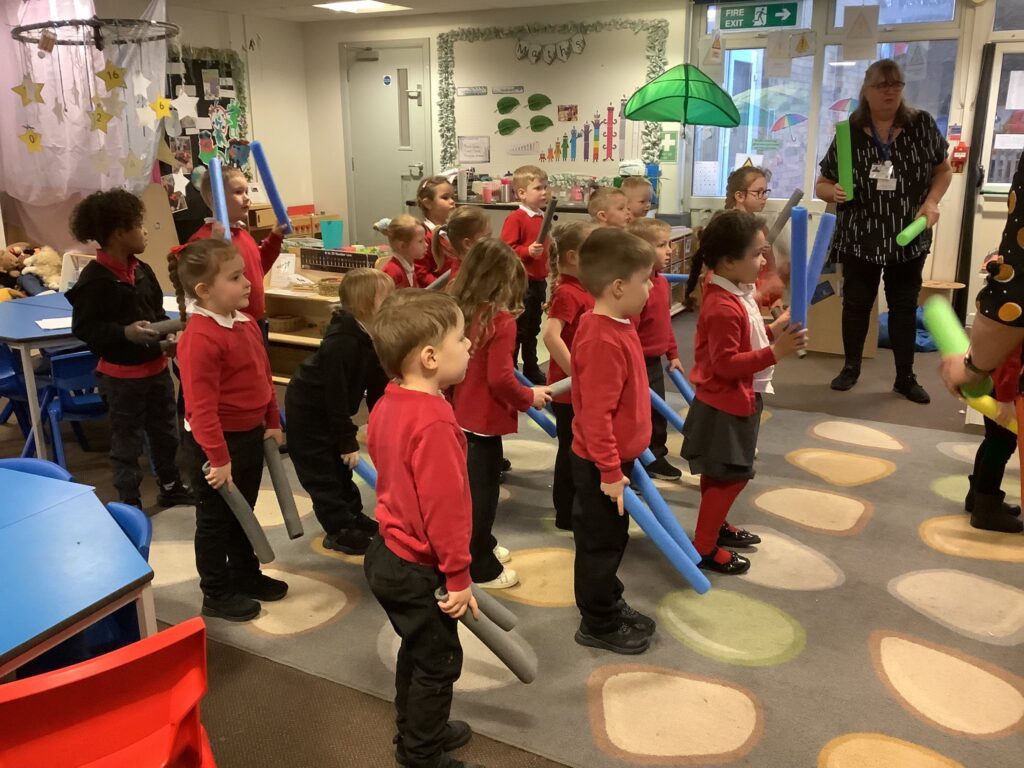
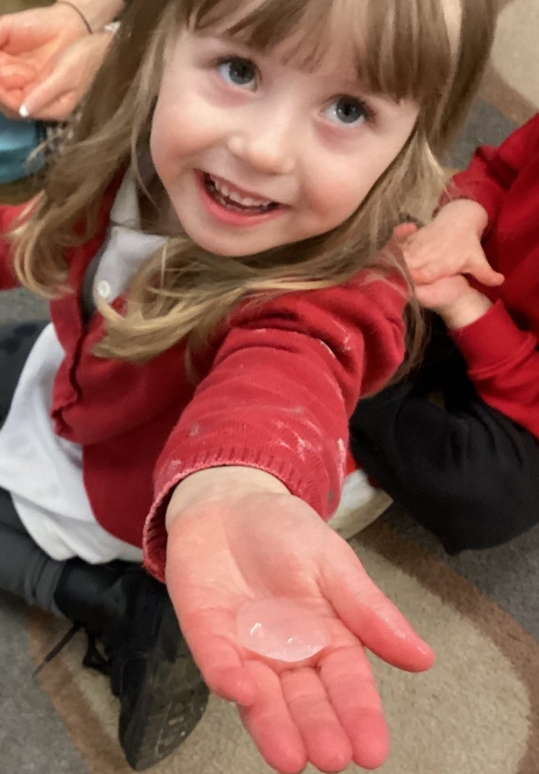
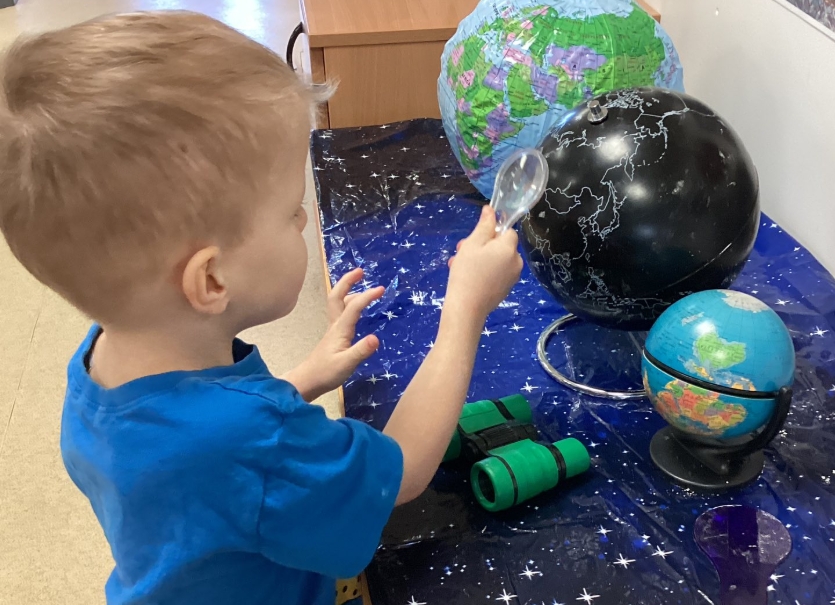
How we keep children safe in EYFS
Safe and caring adults
- All staff and volunteers are carefully recruited following safer recruitment procedures, including enhanced DBS checks.
- Staff receive regular safeguarding and child protection training, including EYFS-specific safeguarding and online safety.
- We have a Designated Safeguarding Lead (DSL) and trained deputies who oversee safeguarding across the school.
Daily care and supervision
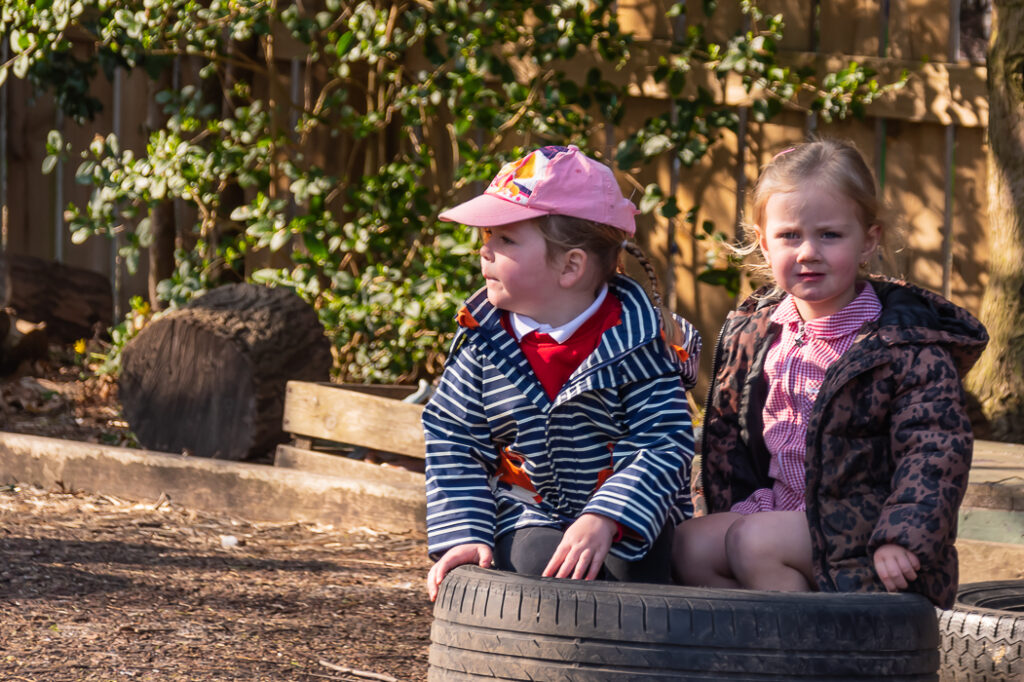
- Children are always supervised appropriately, indoors and outdoors.
- We follow strict staff-to-child ratios in line with EYFS requirements.
- Our environment and equipment are risk-assessed regularly to ensure they are safe and suitable.
Listening to children
In EYFS, safeguarding is adapted to suit young children. Staff:
- use age-appropriate language
- observe children closely
- notice changes in behaviour, play, or emotional wellbeing
- help children learn about feelings, boundaries and asking for help
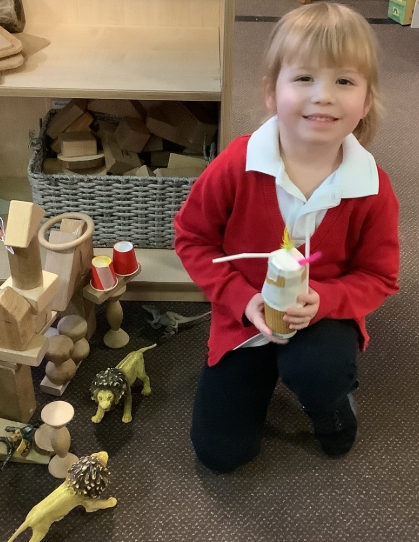
Ofsted recognises that in early years, safeguarding is often seen through children’s behaviour, play and communication, not just words.
Working in partnership with parents and carers
We know that children are best supported when schools and families work together. We encourage open communication and value your knowledge of your child.
Parents can:
- speak to their child’s key person at any time
- contact the Designated Safeguarding Lead with concerns
- share information that may help us support their child
All concerns are taken seriously and handled sensitively.
Responding to concerns
If we are worried about a child’s safety or wellbeing, we will:
- act promptly
- follow our safeguarding procedures
- seek advice from external professionals when needed
- work with local safeguarding partners, including health and children’s services
This approach is fully aligned with both KCSIE 2025 and the EYFS safeguarding and welfare requirements.
Safeguarding and inspection
Safeguarding is a non-negotiable element of Ofsted inspections. Inspectors look closely at whether:
- children are safe and feel safe
- staff understand safeguarding procedures
- concerns are recorded and acted upon appropriately
- leaders are open, reflective and responsive
Our EYFS safeguarding arrangements are regularly reviewed to ensure they remain robust, effective and up to date.
If you have a concern
If you ever have a concern about:
- your own child
- another child
- the behaviour of an adult
please contact the school immediately and ask to speak to the Designated Safeguarding Lead. If you believe a child is in immediate danger, contact emergency services.
Our commitment
We are committed to:
- putting children’s welfare first
- creating a safe and happy EYFS environment
- working in partnership with families
- continually improving our safeguarding practice
Your child’s safety, happiness and wellbeing will always come first.
